The Azure platform is being presented as a key enabler for enterprise AI transformation, driven by the increasing use of multi-model approaches. Organizations are moving beyond relying on single, high-capability models to incorporate a range of models – including smaller, open-weight models – depending on specific needs and economic considerations. This shift necessitates a platform capable of supporting diverse compute environments and consistent operational practices.
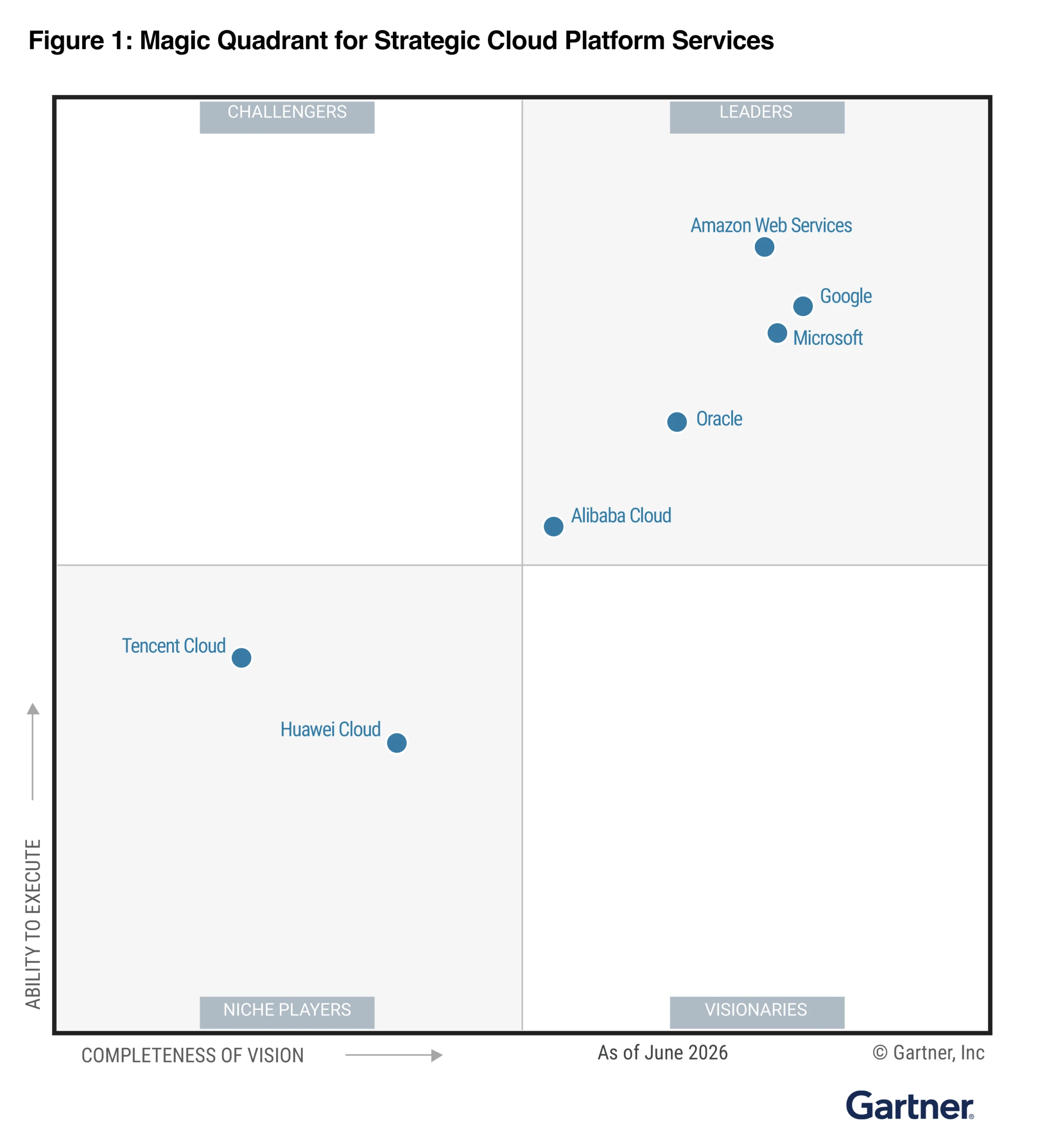
Microsoft highlights the integration of infrastructure, data, and applications as a core strength. The platform’s architecture aims to reduce the complexity of stitching together individual services, offering customers flexibility in model and infrastructure choices. This is underpinned by decades of experience running mission-critical systems at global scale, and supported by independent recognition from Gartner and Forrester.
Central to this strategy is Microsoft Foundry, a tool designed to simplify the evaluation, security, monitoring, and operation of AI systems. Foundry provides developers with broad model choice and allows them to manage AI workloads across cloud, on-premises, and edge environments. This approach is intended to reduce operational overhead and enable teams to focus on business outcomes.
Several case studies illustrate the platform’s capabilities. UNC Health is modernizing its analytics to create a governed data environment, demonstrating the importance of a solid foundation for responsible AI deployment. Levi Strauss & Co. is leveraging Azure and Foundry to modernize its legacy infrastructure and introduce agents that simplify decision-making. These examples showcase how Azure can be integrated into existing business processes without requiring a complete overhaul.
Ultimately, Microsoft emphasizes that the platform’s value lies in its ability to translate technology into tangible business impact – improving performance, reducing costs, accelerating delivery, and enabling scalable systems. The platform’s architecture is designed to adapt to evolving model choices and maintain consistent governance and operational control.