AI1 min read
Jina AI Releases jina-ocr-v1 for Low-Budget GPUs
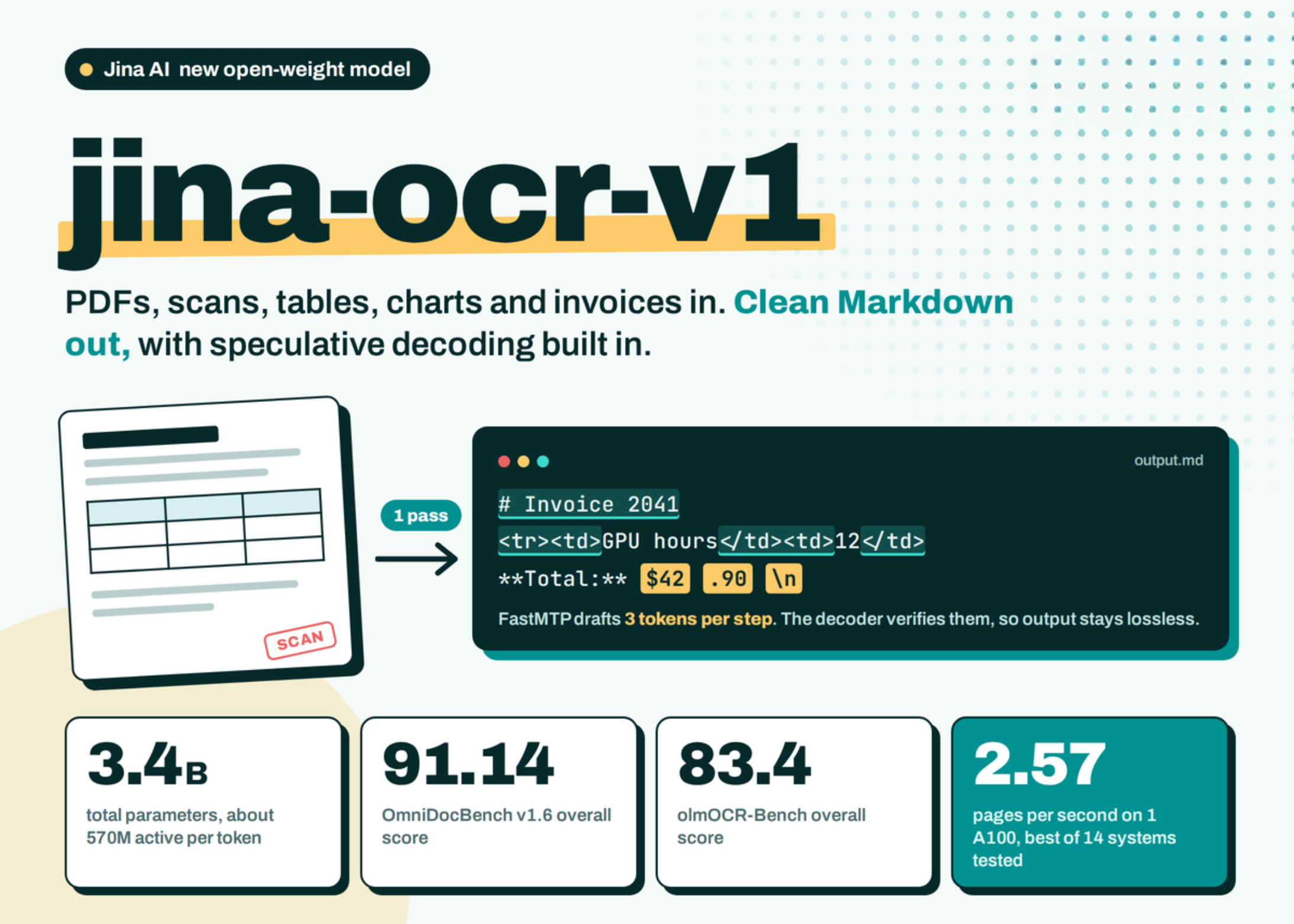
Jina AI launched jina-ocr-v1, a 3.4B parameter document parser with built-in speculative decoding.
From MarkTechPost
Blog
Daily notes on new models, LLM releases, agent frameworks and AI research, written from the sources we follow and delivered as a newsletter every day.
Get the daily issue
Every new post of the day, in one email. Confirmation required.
AI1 min read
Jina AI launched jina-ocr-v1, a 3.4B parameter document parser with built-in speculative decoding.
From MarkTechPost
Agents1 min read
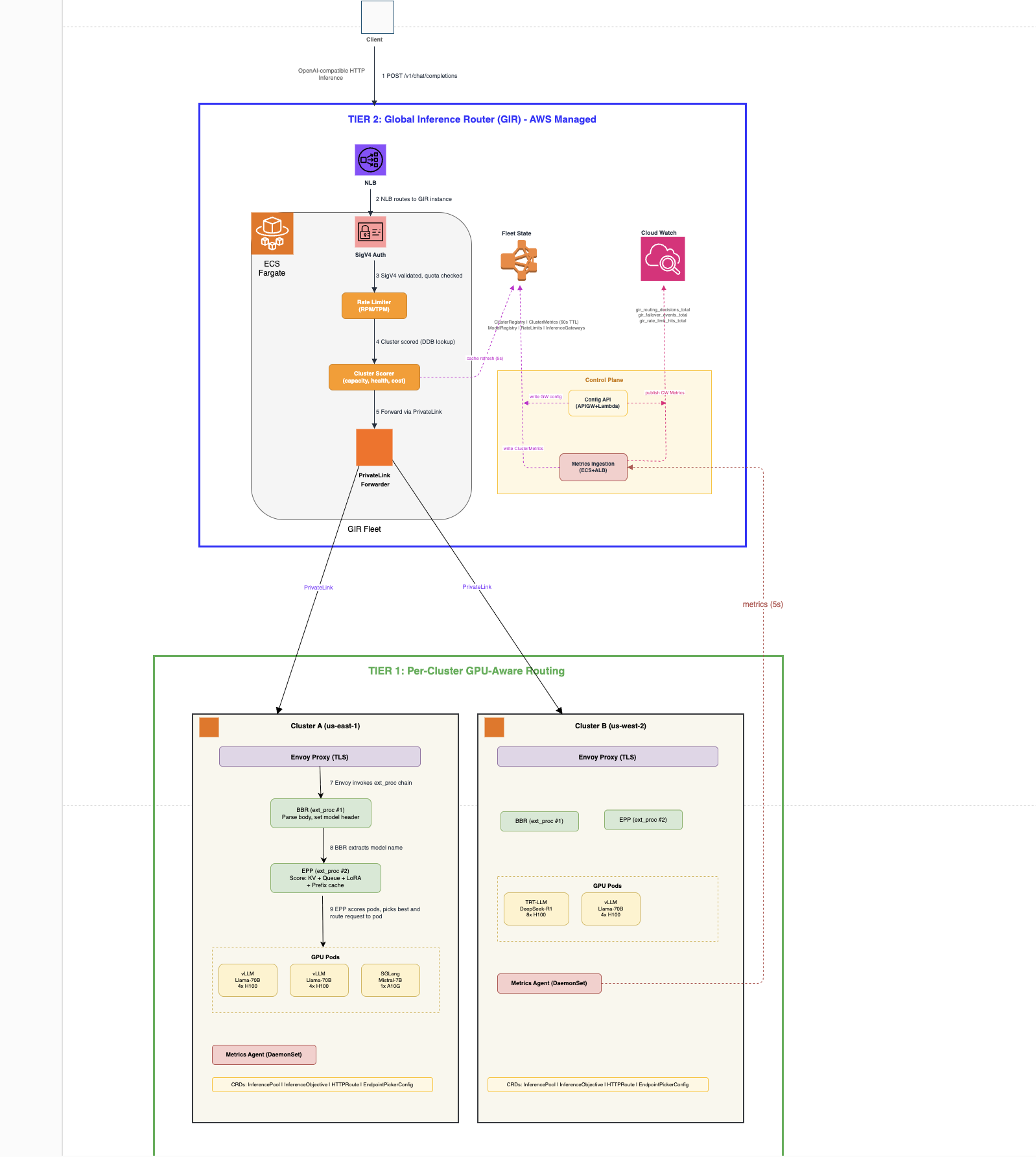
Amazon SageMaker HyperPod Inference Gateway is a Kubernetes-native, GPU-aware routing add-on for Amazon EKS. It uses real-time GPU signals to send each inference request to the best-suited pod, cutting first-token latency by up to 82% wi...
From AWS machine learning blog
How this blog is made
Each feed entry becomes one request to OpenSmartRoute: the router picks a model with a cost-weighted objective, the editorial-writer skill is layered on the prompt, and the outcome trains the learners - the same pipeline available to every workspace.
Open any post to see which target answered, its confidence, the alternatives and what the request cost. Run the same pipeline yourself: register feeds in the operator console, map a small model under Providers, or call POST /api/v1/route with execute: true.
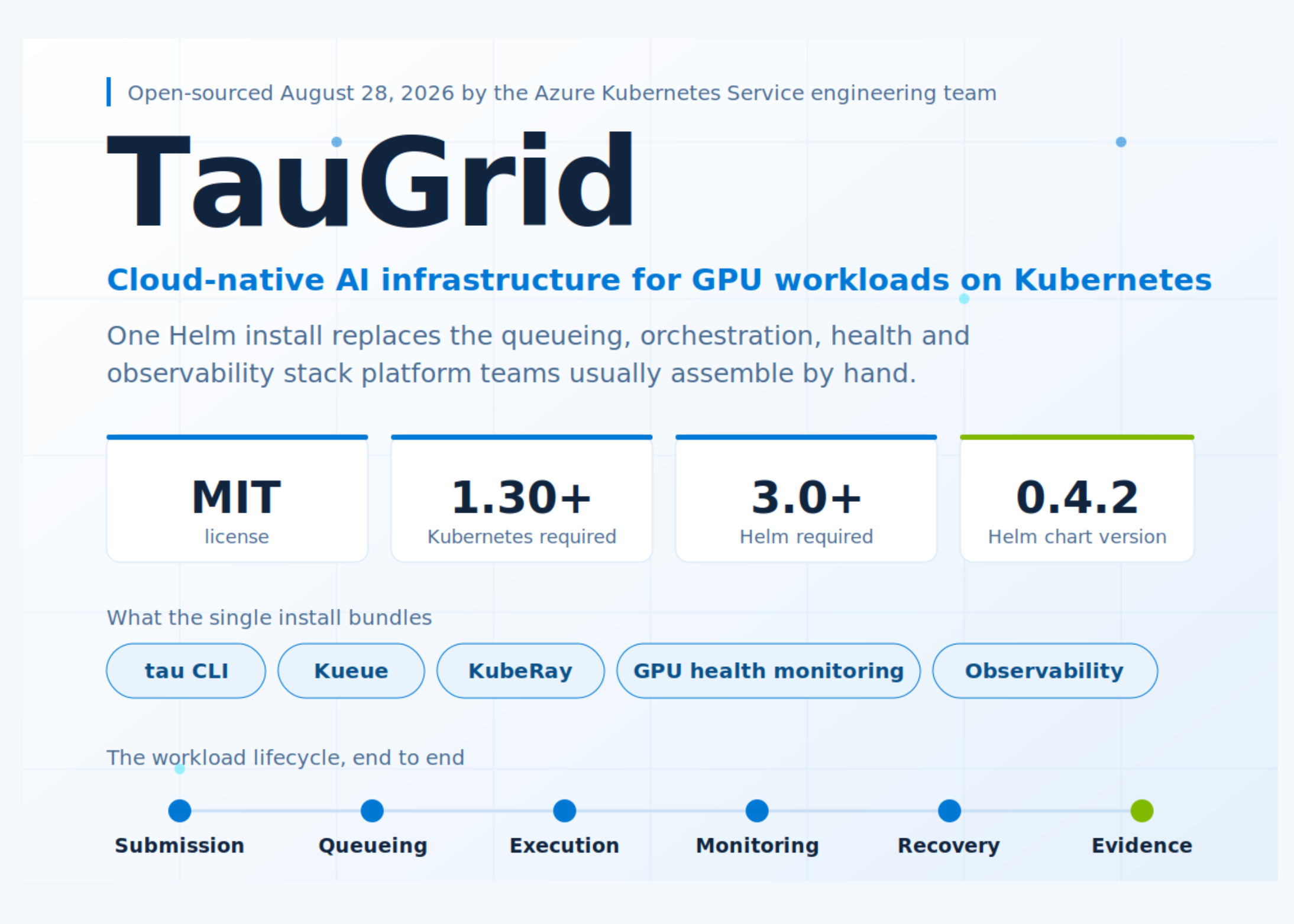
Microsoft released TauGrid to simplify running AI workloads on Kubernetes. It bundles five platform tools into one Helm install.
From MarkTechPost
AI1 min read
Pinterest released a new 'Restyle' feature for users to test home decor changes with AI.
From TechCrunch AI
AI1 min read
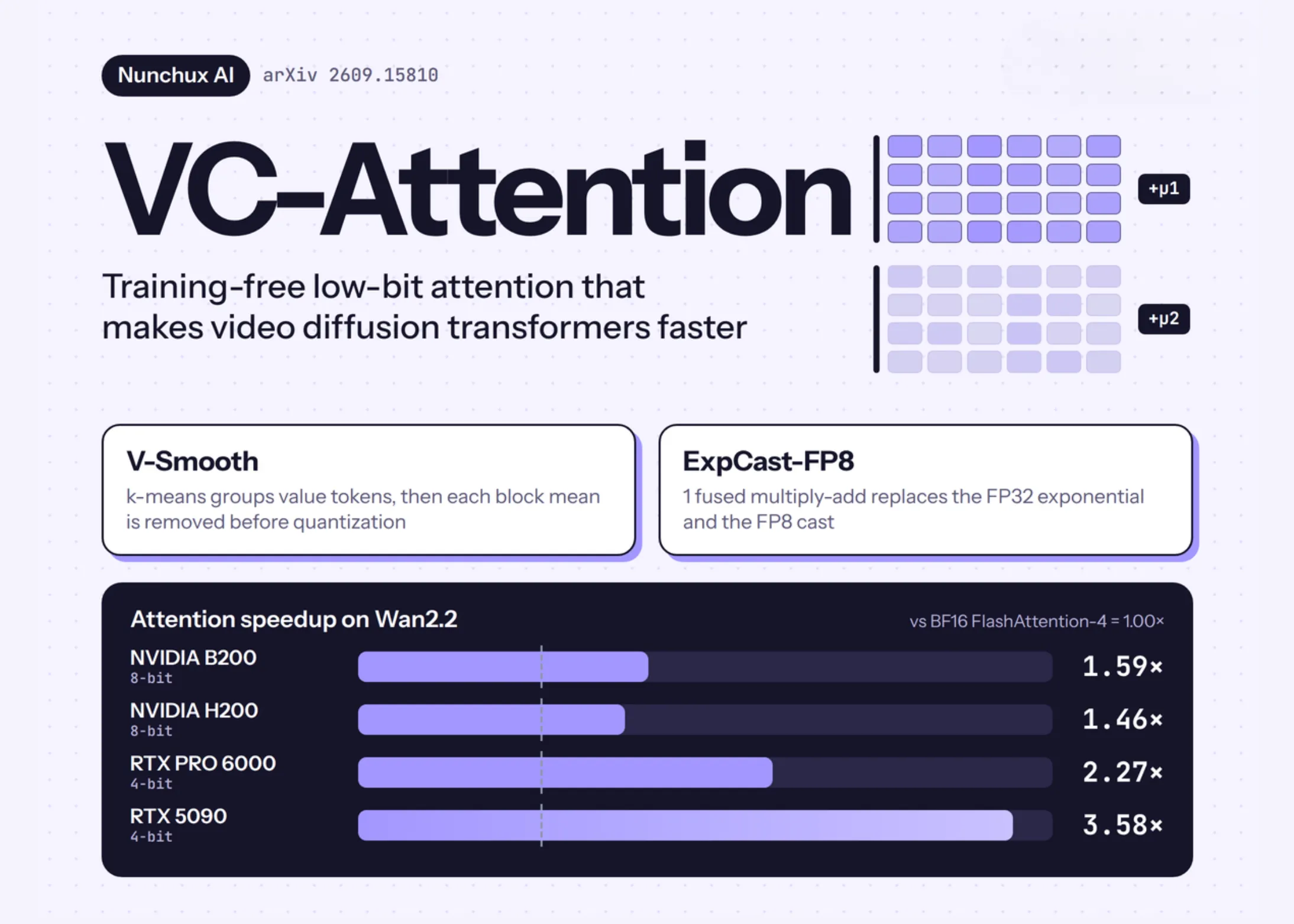
Nunchux AI launched VC-Attention to speed up video diffusion models without retraining. It uses low-bit quantization and replaces the slow softmax stage.
From MarkTechPost
Agents1 min read
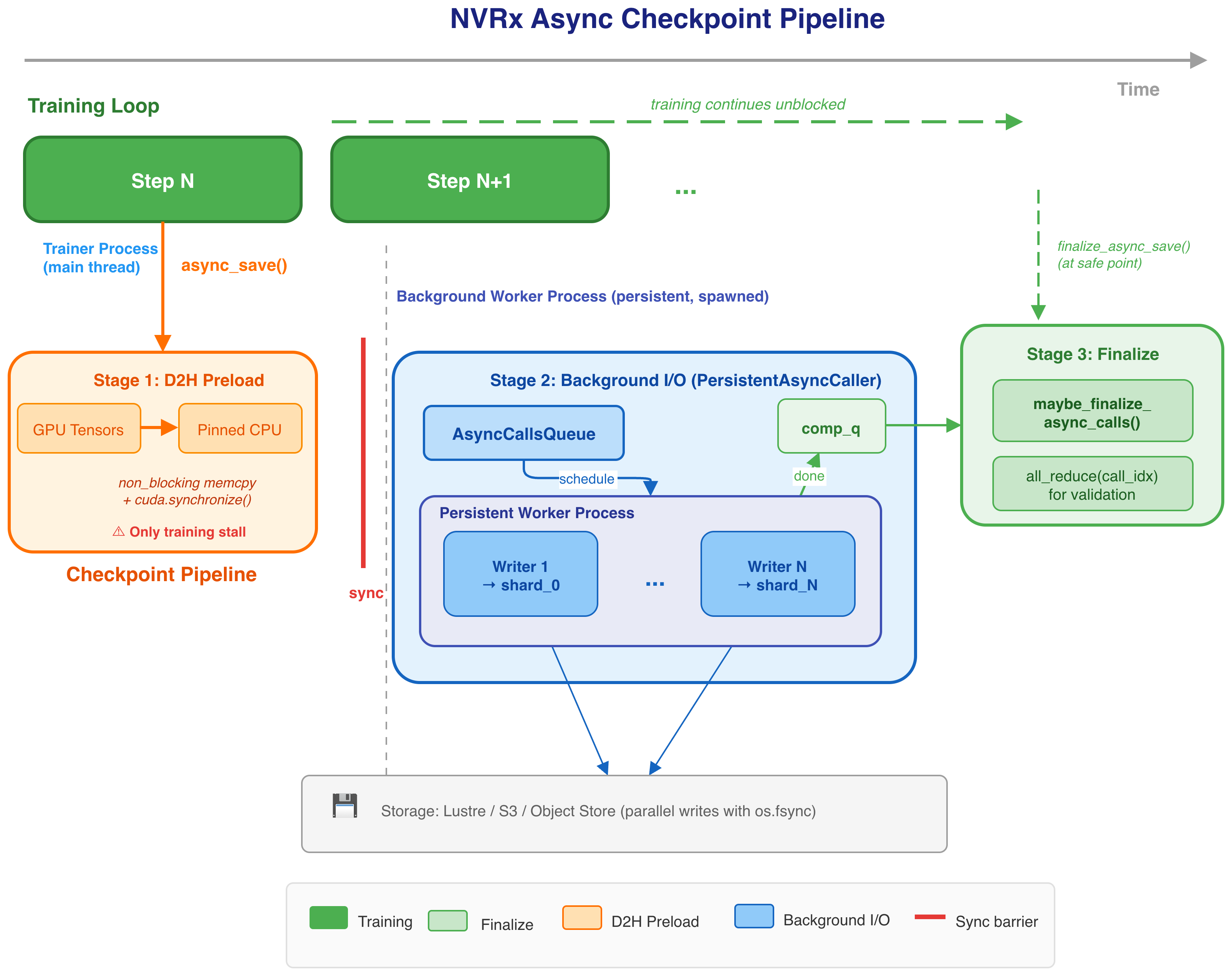
NVIDIA Resiliency Extension (NVRx) prevents GPU faults from stopping PyTorch training on Amazon EKS. Async checkpointing and automatic restarts save hours of wasted compute time.
From AWS machine learning blog
LLMs1 min read
cuTile Rust (cutile-rs) is a tile-based system for safe, idiomatic GPU kernel authoring in the Rust programming language. Extending the Rust ownership model to...
From NVIDIA technical blog
LLMs1 min read
For operators of large-scale AI factories, maximizing continuous output is essential for productivity. In massive-scale AI training, every GPU in the cluster...
From NVIDIA technical blog
LLMs1 min read
The NVIDIA Transformer Engine, when combined with JAX, delivers a 10.4x throughput improvement for Mixture of Experts training on NVIDIA GB200 GPUs, enabling DeepSeek-V3 to reach 1,068 TFLOPS/GPU. This achieves dropless MoE training by optimizing grouped GEMM kernels and NCCL EP for variable expert token counts.
From NVIDIA technical blog
Agents1 min read
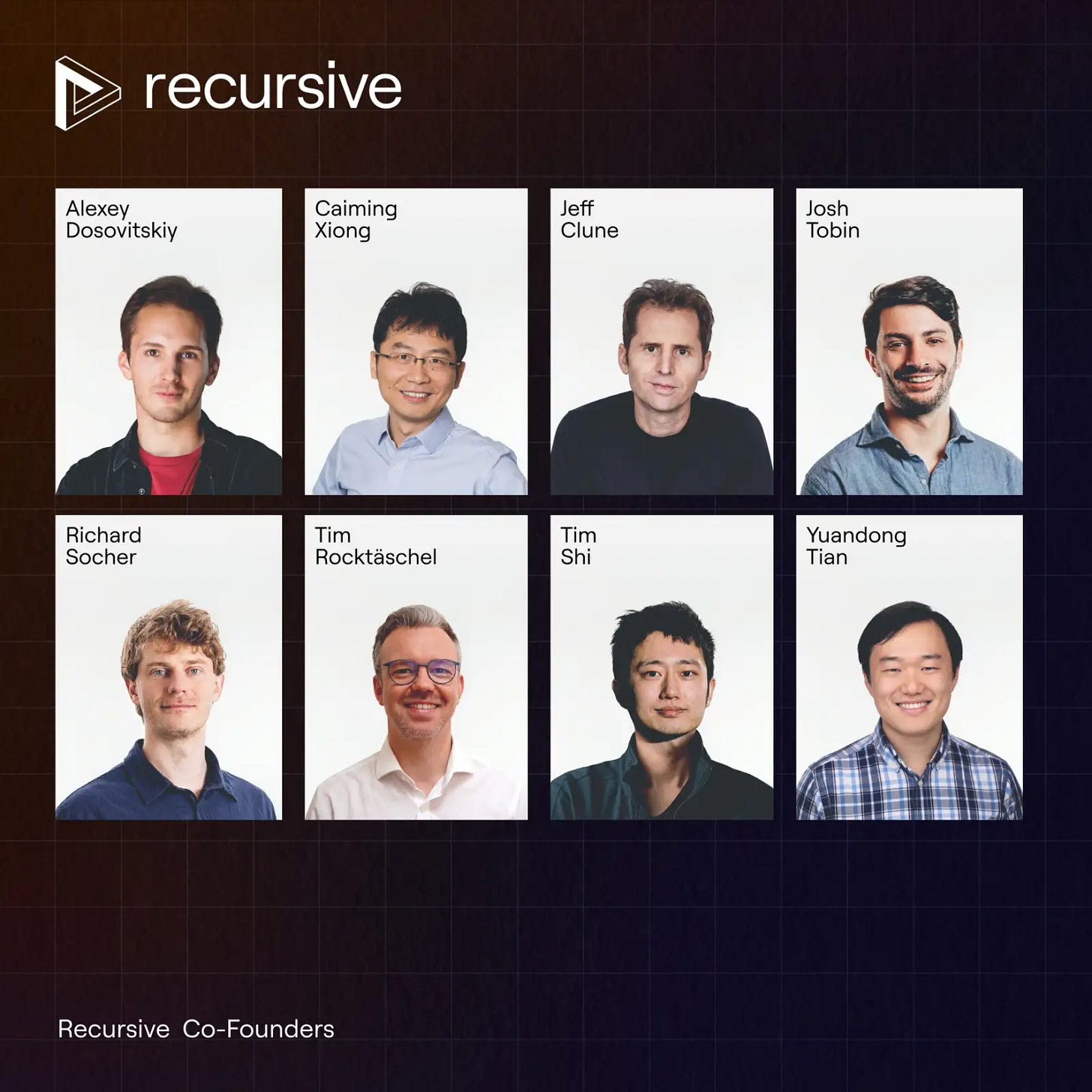
Richard Socher’s Recursive is building an AI system designed to accelerate AI research itself, achieving human-level performance on optimization tasks in under two days. The company’s $4.65B seed round focuses on recursive self-improvement and tackling complex scientific problems.
From Latent Space
AI1 min read
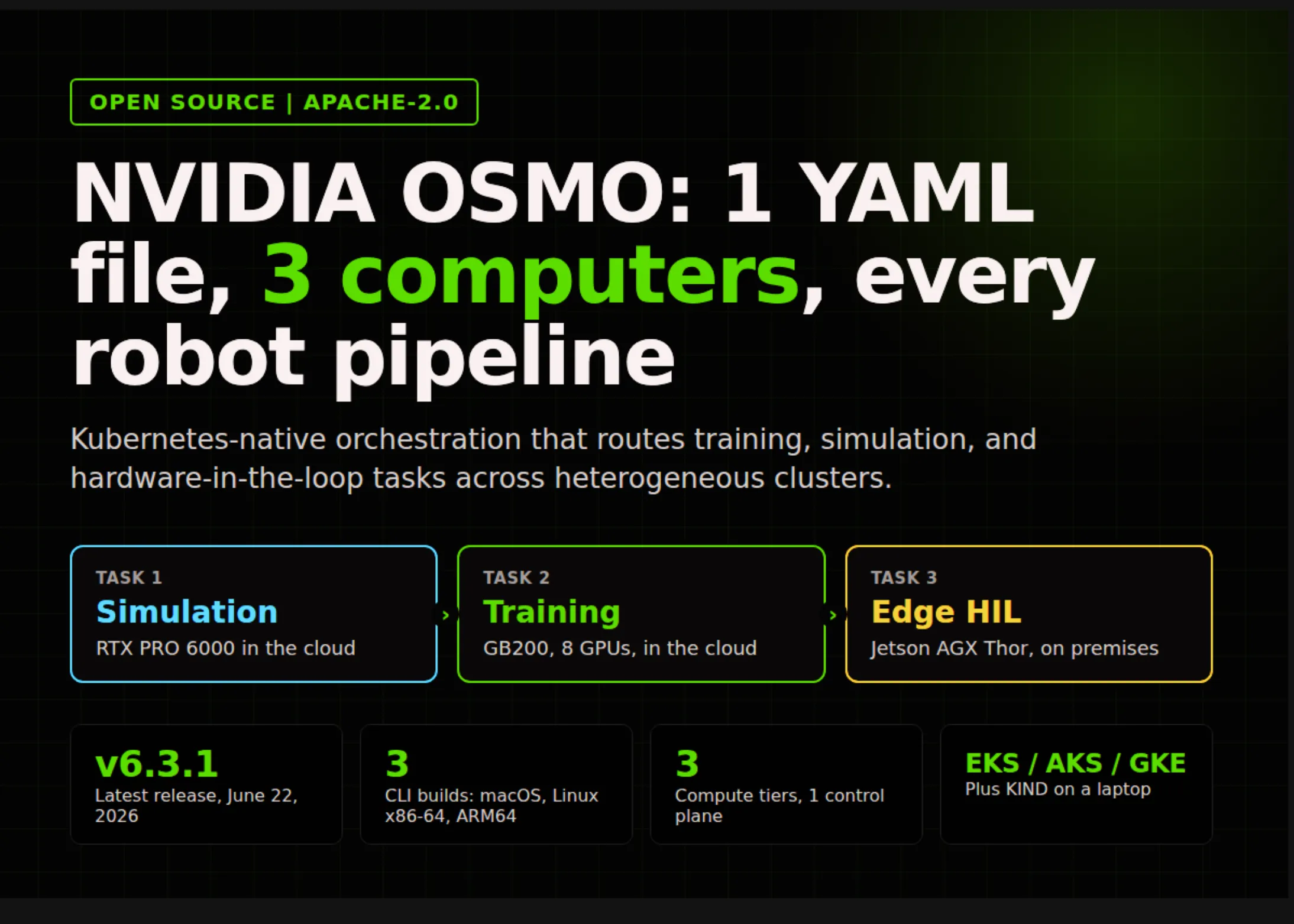
OSMO is an open-source Kubernetes orchestrator that allows engineers to manage AI training, simulation, and robot testing across diverse compute environments – from data center GPUs to edge devices – defined by a single YAML file. This simplifies pipeline management and reduces infrastructure complexity.
From MarkTechPost
LLMs1 min read
Researchers introduced AMDKernelVault, a large dataset and training framework for AMD GPU kernel optimization using HIP and Triton. Qwen3-8B achieved high correctness on PyTorch-to-HIP, TritonBench-G, and ROCmBench benchmarks, demonstrating the corpus's utility.
From arXiv cs.CL
AI1 min read
This tutorial demonstrates GPU acceleration of machine learning workflows using NVIDIA cuML and RAPIDS, showcasing performance benchmarks for common tasks like PCA, K-Means, and model inference. The process includes configuring the GPU environment, benchmarking CPU and GPU implementations, and exploring zero-copy data transfer for optimized execution.
From MarkTechPost
AI1 min read
Jensen Huang stated Nvidia anticipates 70% revenue growth next year, citing its foundational role in the AI ecosystem and significant orders for its Blackwell and Grace systems. This projection reflects Nvidia’s embedded presence across diverse AI workloads and its strategic partnerships.
From TechCrunch AI
LLMs1 min read
Encode-prefill-decode (EPD) disaggregation optimizes inference for multimodal models by separating the vision encoder stage. This technique improves throughput and reduces latency for models processing both visual and textual data.
From NVIDIA technical blog
LLMs1 min read
NVIDIA CUDA Toolkit 13.4 introduces support for Windows on Arm, alongside enhanced control over shared GPUs. This update provides developers with expanded platform options and improved GPU management capabilities.
From NVIDIA technical blog
Agents1 min read
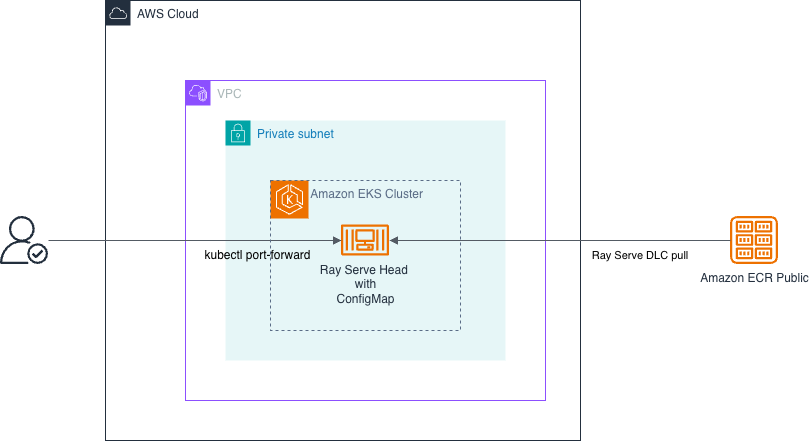
The AWS Ray Serve Deep Learning Container provides a supported, pre-tested container for TorchServe workloads, eliminating the need to manage the entire GPU inference stack. This allows teams to deploy vision-language models on Amazon EKS using a single GPU node.
From AWS machine learning blog
LLMs1 min read
A new inference method, Intra-Prompt Parallel Decoding (IPPD), achieves up to 7x throughput in common-context question answering by decoding multiple questions within a single prompt. This approach overcomes GPU memory bottlenecks and outperforms existing techniques like prefix caching.
From arXiv cs.CL
Agents1 min read
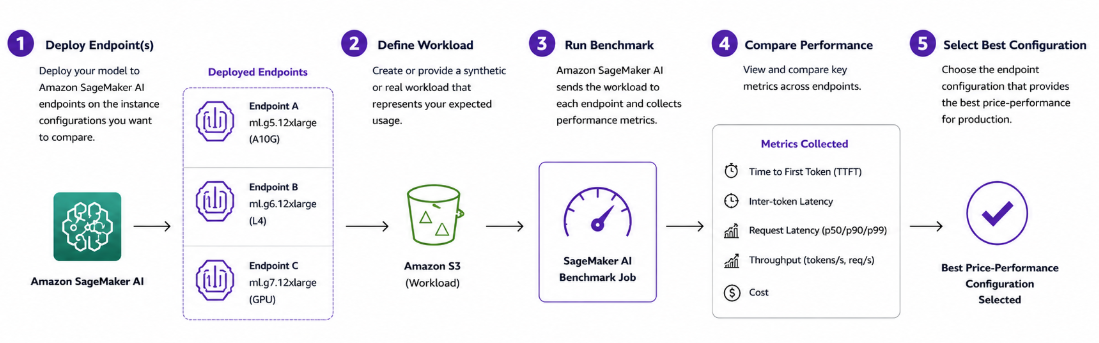
This benchmark compares the performance of Qwen3-Coder-30B and NVIDIA Nemotron-3-Nano-30B across G5, G6, G6e, and G7 GPU instances on SageMaker AI. G7 instances demonstrate price-performance gains for real-time LLM inference.
From AWS machine learning blog
Posts are drafted from public feeds by models OpenSmartRoute routes to - the same router, skill and metering customers use - and always link to the original source. Corrections: support.
Archive (38)